A biobanking system is critical software for managing biospecimens and their associated data, essential for modern biobanks and biorepositories. These systems ensure that samples, such as human tissues, blood, or genetic material, are stored, tracked, and processed efficiently. By integrating advanced storage and data management capabilities, biobanking systems not only safeguard invaluable biospecimens, but also empower breakthroughs in fields like personalized medicine, proteomics and drug discovery.
When you choose a biobanking system, the features should match how your lab really works—your sample types, your staff, and your regulatory environment. Here we’ll explore the key features that make a biobanking system effective for your lab.
Benefits of a Biobank System
Biobanking systems are the backbone of your lab management. Without efficient sample tracking and data management, your lab can lose vital specimens or introduce avoidable errors. Here’s why a biobanking software solution is an essential part of biobank management system:
- Efficiency: Automation and standardized lab workflows reduce manual errors and save time, allowing researchers to focus on discoveries.
- Data Integrity: Centralized, secure systems ensure biospecimens and associated information are always reliable and accessible.
- Scalability: As research needs grow, a robust biobanking system adapts, supporting more specimen tracking, data complexities, and higher research demand.
- Collaboration: Integration with existing lab software facilitates data sharing across institutions, supporting innovation and partnerships.
- Regulatory Compliance: Adhering to ethical and legal standards, like ISBER best practices or NIH Data Management and Sharing Plans, protects labs from penalties and upholds public trust in research.
By investing in biobank software, labs and biobanking institutions can accelerate research, reduce costs, and maintain the highest standards of quality for their samples and specimens.
Essential Features of a Biobanking System
When evaluating a biobanking system, look for the following key features to ensure optimal performance and compliance:
Comprehensive Sample Management
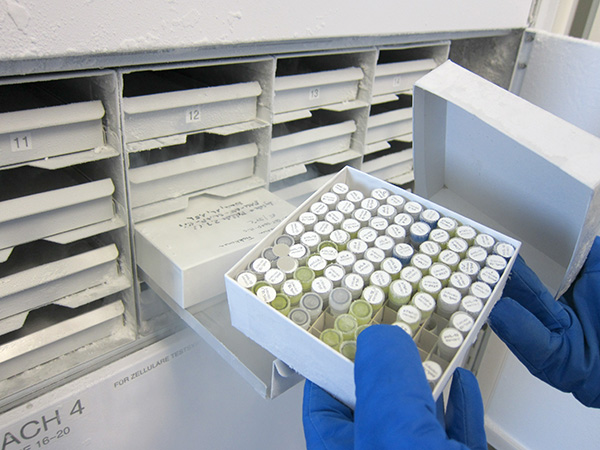
The foundation of any biobanking system is its ability to follow each specimen—from the moment a tube of blood or a tissue block arrives, through processing, storage, and use. This includes:
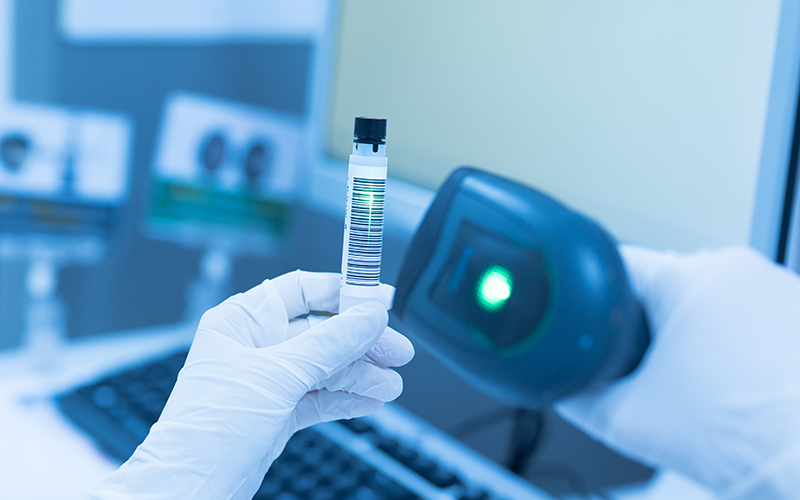
- Barcode-based sample inventory management for precise tracking.
- Real-time updates on sample location and status.
- Freezer management tools to monitor storage availability and prevent sample degradation.
- Chain-of-custody tracking to ensure specimen integrity throughout handling and processing.
Advanced Data Management
Biobanks handle vast amounts of data, including health records, genetic information, and metadata. An effective system should provide:
- Secure, centralized data storage.
- Role-based access controls to ensure only authorized personnel can view or modify sensitive information.
- Structured search options and customizable dashboards.
Workflow Management
To reduce variability and ensure consistent results, the system must allow for:
- Customizable workflows tailored to lab protocols.
- Automation of repetitive tasks like data entry and sample processing.
Integration Capabilities
To ensure seamless operations, some by biobanks may require a system that integrates with:
- LIMS software (Laboratory Information Management Systems), EHRs (Electronic Health Records), and other lab software tools.
- APIs for secure data sharing across platforms and institutions.
- Analytics platforms for scalability and analysis.
- Data-sharing and communication tools like ELN software.
How to Choose a Biobanking System for Your Lab
Selecting a biobanking system is less about chasing every feature and more about matching the software to how your lab actually works. Before you compare vendors, map out your current workflows. List your sample types, how specimens move through your lab, and which teams need to access data. This will help you separate “nice-to-have” features from true requirements.
Next, clarify your priorities. For some groups, integration with existing LIMS or EHR systems is the deciding factor. Others may care most about freezer management, remote access, or flexible data models that can handle new protocols as the biobank grows. Document which problems your team is trying to solve today—lost samples, slow reporting, inconsistent chain of custody—and use those as a checklist when evaluating each biobanking system.
It’s also worth assessing long-term fit. Ask how the system handles versioning of workflows, new consent requirements, or added study arms. A biobanking system that can evolve with your research program will usually be more valuable than one that only solves a narrow problem right now.
Biobanking With Sample Manager
Sample Manager simplifies biobanking with cloud-based features like searchable sample tracking and customizable freezer management. This easy-to-use sample management software can be quickly set up to meet the workflows and protocols used in your laboratory. Take a tour to see our software in action!